Month: January 2026

Is the Video Gaming Craze Affecting Your Relationships or Schoolwork?

Posted on by

Video games can be a source of enjoyment, social connection, and even stress relief. For many players, gaming is a harmless and rewarding hobby. However, when play begins to interfere with important areas of life, such as relationships or school performance, it may indicate that the gaming craze has crossed a boundary. Recognizing these signs early and exploring support options is essential for maintaining balance, mental health, and overall well-being.

Understanding the Impact of Gaming on Daily Life

The rise of immersive games and online multiplayer platforms has made gaming more engaging than ever. While most individuals enjoy gaming responsibly, some find themselves spending more time playing than intended. This can lead to neglected responsibilities, strained relationships, and academic challenges. Understanding how excessive gaming affects everyday life is the first step in regaining control.

Signs Gaming May Be Affecting Relationships

Gaming should not replace meaningful connections with friends, family, or partners. Warning signs that gaming is impacting relationships include:

  • Missing social events or family activities to play games
  • Feeling irritable or defensive when asked to reduce gaming time
  • Prioritizing gaming over quality time with loved ones
  • Experiencing frequent arguments related to gaming habits

Recognizing these behaviors early allows individuals to make positive changes before relationships suffer further.

Signs Gaming May Be Affecting Schoolwork

For students, academic performance is often the first area to show the effects of excessive gaming. Indicators that gaming is interfering with school include:

  • Incomplete assignments or missed deadlines
  • Declining grades or poor class participation
  • Difficulty focusing during study sessions
  • Choosing gaming over homework or test preparation

These challenges highlight the importance of establishing structured routines that balance both academic and recreational commitments.

Strategies to Regain Control

Establish Healthy Gaming Boundaries

Setting clear limits around gaming time is essential. Create a daily or weekly schedule that prioritizes school, work, and social responsibilities. Tools such as timers or app tracking can help maintain consistency. Balancing gaming with other fulfilling activities reduces reliance on play as the primary source of enjoyment.

Prioritize Mental Health and Self-Care

Mental health and gaming habits are closely linked. Anxiety, stress, or depression can increase the risk of compulsive gaming. Incorporating self-care practices, therapy, or counseling can help address underlying emotional challenges while promoting healthy gaming behavior. Holistic or faith-based approaches can provide additional support for personal growth and emotional well-being.

Seek Professional Support When Needed

When gaming habits begin to significantly impact relationships or academics, professional help can be invaluable. Addiction recovery programs, including both inpatient and outpatient options, provide structured care, individualized treatment plans, and evidence-based strategies for regaining balance. These programs address both behavioral patterns and underlying mental health needs.

Leverage Family and Community Support

Support from family, friends, and peers strengthens recovery efforts. Open communication about gaming habits, participating in shared activities outside of gaming, and connecting with support groups can reinforce positive change. Community networks offer encouragement and practical guidance for creating healthier routines.

Take Action Before Gaming Takes Over

The video gaming craze offers excitement and connection, but it should not come at the expense of relationships, academics, or personal well-being. If gaming is affecting your schoolwork or personal connections, taking proactive steps is essential. By setting boundaries, prioritizing mental health, and seeking professional guidance when necessary, individuals can enjoy gaming responsibly while maintaining a balanced and fulfilling life. Reaching out for help is a courageous first step toward regaining control and creating a healthier relationship with play.
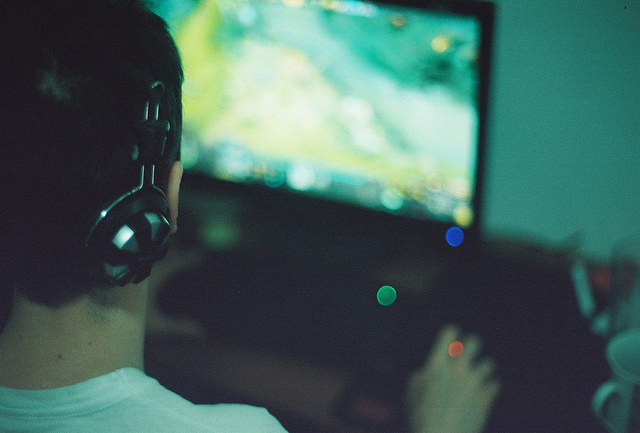
From Fun to Fixation: Understanding the Video Gaming Craze and Your Mental Health

Posted on by

Video games are more than just a pastime for millions of people. They provide entertainment, social connection, and mental stimulation in ways few other activities can. However, for some players, the line between fun and fixation can blur. When gaming begins to interfere with daily life, relationships, or mental well-being, it can signal a deeper issue. Understanding the connection between gaming habits and mental health is essential for maintaining balance and enjoying games responsibly.

The Rise of the Video Gaming Craze

The global popularity of video games has surged over the past decade. Online multiplayer worlds, mobile apps, and immersive story-driven games keep players engaged for hours on end. While most players enjoy gaming without issue, some experience compulsive patterns that affect work, school, and personal relationships. This phenomenon, often referred to as the video gaming craze, highlights the importance of recognizing when play becomes problematic.

How Gaming Can Impact Mental Health

Excessive gaming can affect mental health in multiple ways. It may increase feelings of anxiety, irritability, or depression when playtime is restricted. Gaming can also become a way to escape real-life stressors, which can prevent individuals from addressing underlying issues. Over time, this pattern can lead to social withdrawal, decreased productivity, and difficulty managing emotions.

Signs That Gaming May Be Affecting Your Well-Being

  • Losing interest in activities or hobbies outside of gaming
  • Prioritizing gameplay over work, school, or relationships
  • Feeling anxious, restless, or irritable when unable to play
  • Using gaming to cope with stress, sadness, or loneliness
  • Experiencing sleep problems or neglecting physical health due to prolonged sessions

If these signs sound familiar, it may be time to consider strategies for establishing healthier gaming habits.

Strategies for Maintaining Balance

Set Intentional Limits

Establishing clear boundaries around gaming time is a key step in regaining control. Decide how many hours per day or week are appropriate and use timers or schedules to maintain consistency. Pair gaming with other fulfilling activities, such as exercise, reading, or social interactions, to reduce reliance on play as the primary source of enjoyment.

Prioritize Mental Health and Self-Care

Gaming should complement, not replace, mental health care. Regular self-care, counseling, and therapy can help address anxiety, stress, or depression that may be driving excessive play. Programs that combine mental health treatment with holistic or faith-based approaches provide a comprehensive path to recovery and well-being.

Seek Professional Support When Needed

For individuals struggling to maintain control, professional addiction recovery services offer structured support. Inpatient and outpatient programs provide individualized care, evidence-based strategies, and accountability to help rebuild a balanced lifestyle. These programs address both the psychological and behavioral aspects of gaming addiction while fostering personal growth.

Involve Family and Community

Family and peer support can significantly strengthen recovery efforts. Open communication about gaming habits, shared recreational activities, and supportive networks provide encouragement and help maintain healthy boundaries. Support groups, either online or in person, also create safe spaces for sharing experiences and gaining perspective.

Moving From Fixation Back to Fun

Recognizing when gaming shifts from enjoyment to fixation is the first step in taking control. By setting limits, prioritizing mental health, and seeking professional guidance when necessary, players can restore balance while still enjoying the games they love. Gaming should enhance life, not dominate it.

Key Takeaways

  • Understand the impact of gaming on mental health
  • Recognize warning signs of compulsive play
  • Implement structured limits and self-care practices
  • Seek professional support for individualized guidance
  • Leverage family and community support to reinforce positive habits

Regain Control and Enjoy Gaming Responsibly

The video gaming craze can be both exciting and challenging. When play begins to interfere with your life, reaching out for help is a courageous and essential step. With individualized treatment, holistic approaches, and practical strategies, it is possible to enjoy gaming responsibly while maintaining mental health and overall life balance. If you or a loved one struggles with excessive gaming, professional support is available to guide you toward recovery and a healthier relationship with play.

0

When the Video Gaming Craze Becomes Tough to Control: Signs and Support Options

Posted on by

Video games can be a source of entertainment, social connection, and creative engagement. For most players, gaming is an enjoyable and harmless hobby. However, when play starts to interfere with daily responsibilities, relationships, or mental health, it may indicate a deeper challenge. Recognizing the signs early and exploring support options can make the difference between occasional overplay and a pattern that impacts overall well-being.

Understanding Problematic Gaming

The rapid growth of online multiplayer games, mobile apps, and immersive virtual worlds has contributed to a widespread video gaming craze. While gaming can provide meaningful experiences, it can also become difficult to control. Problematic gaming often involves compulsive behavior, excessive screen time, and reliance on gaming to escape stress or emotional difficulties.

Common Signs That Gaming May Be Out of Control

Knowing what to look for can help individuals and families identify when gaming is becoming harmful. Key warning signs include:

  • Prioritizing gaming over work, school, or social obligations

  • Feeling restless, irritable, or anxious when not playing

  • Using gaming as a primary way to cope with stress, sadness, or loneliness

  • Experiencing sleep deprivation or neglecting physical health due to extended gaming sessions

  • Losing interest in hobbies, friendships, or activities outside of gaming

If several of these behaviors are present, it may be time to seek professional guidance.

Support Options for Managing Gaming Challenges

Setting Healthy Boundaries

One of the first steps toward regaining control is establishing clear limits around gaming. Scheduling specific playtime, using timers, and planning breaks can prevent excessive gameplay. Incorporating other fulfilling activities into daily routines can help create balance and reduce reliance on gaming as a primary source of satisfaction.

Prioritizing Mental Health

Mental health plays a crucial role in gaming behavior. Anxiety, depression, and stress can contribute to compulsive gaming habits. Seeking counseling, therapy, or support groups can provide guidance, coping strategies, and accountability. Many individuals benefit from programs that combine mental health treatment with holistic or faith-based approaches tailored to personal needs.

Professional Addiction Recovery Programs

For individuals struggling to regain control on their own, professional addiction recovery services can be invaluable. Inpatient and outpatient programs provide structured support, evidence-based treatment, and individualized care plans. These programs address the underlying factors contributing to excessive gaming and offer practical strategies for establishing healthy habits.

Family and Community Support

Family involvement and peer support can strengthen recovery. Open communication about gaming habits, setting expectations together, and engaging in shared activities outside of gaming can reinforce positive changes. Community support groups, whether in person or online, provide a safe space to share experiences, celebrate progress, and receive encouragement from others facing similar challenges.

Taking Action and Moving Forward

Acknowledging that gaming has become difficult to control is a courageous first step. By combining self-awareness, healthy boundaries, mental health care, and professional guidance, individuals can regain balance while still enjoying the games they love.

Key Takeaways

  • Recognize the warning signs of problematic gaming early

  • Set clear limits and integrate diverse activities into your daily routine

  • Seek professional support when gaming impacts health, relationships, or responsibilities

  • Involve family and community to strengthen recovery efforts

Support Is Available

Gaming can be a rewarding and enjoyable part of life, but it should not come at the cost of mental health, relationships, or personal growth. If you or a loved one struggles with gaming that feels difficult to control, reaching out to a professional for guidance is a critical step. With individualized support, holistic care, and practical strategies, it is possible to enjoy gaming responsibly while maintaining a balanced and fulfilling life.

0

Video Gaming Craze: How to Enjoy Play Without It Taking Over Your Life

Posted on by

Video games are a beloved form of entertainment for millions around the world. They offer excitement, creativity, and social connection in ways few other activities can. However, when gaming starts to dominate daily life, interfere with responsibilities, or impact mental health, it can become a serious concern. Understanding how to balance play with overall well-being is key to enjoying games without letting them control your life.

Understanding the Video Gaming Craze

The rise of online multiplayer games, immersive worlds, and constant new content has created what many call a video gaming craze. For some, this means hours of fun and social engagement. For others, it can lead to compulsive behavior, stress, and even addiction. Recognizing the difference between healthy gaming and problematic gaming is the first step toward balance.

Signs That Gaming May Be Becoming Problematic

  • Neglecting work, school, or personal relationships in favor of gaming

  • Feeling anxious or irritable when unable to play

  • Using gaming to escape difficult emotions or life stress

  • Losing interest in hobbies or social activities outside of gaming

  • Experiencing sleep problems or physical health issues due to extended gameplay

If these signs sound familiar, it may be time to consider strategies for creating healthier habits.

Strategies for Enjoying Games Without Losing Control

Set Clear Boundaries

Establishing limits around gaming time is essential. Decide in advance how many hours you will play each day or week and stick to it. Using timers or scheduling gameplay after responsibilities are completed can help maintain structure.

Prioritize Mental Health

Gaming can be a healthy hobby, but it should not replace self-care or professional mental health support. Regular exercise, therapy sessions, and social interactions are crucial for maintaining emotional and psychological balance.

Practice Mindful Gaming

Mindfulness involves being present and intentional in your activities. Before starting a game, check in with yourself about why you are playing and how it makes you feel. Take breaks when you notice frustration or tension building.

Seek Support When Needed

For individuals struggling to maintain control, professional help is available. Addiction recovery programs, mental health treatment, and outpatient or inpatient care can provide guidance, accountability, and strategies tailored to your needs. Many programs also offer holistic and faith-based approaches that address the emotional, spiritual, and social aspects of gaming addiction.

Balancing Gaming with Life Goals

Remember that games should enhance your life, not detract from it. Integrate gaming into a balanced routine that includes work, education, relationships, and personal growth. Celebrate achievements in both gaming and life outside of it.

Tools and Resources

  • Time-tracking apps to monitor gaming habits

  • Support groups for gaming addiction

  • Counseling services for stress, anxiety, or compulsive behaviors

  • Holistic practices such as meditation, exercise, or creative hobbies

These tools can help you regain control while still enjoying your favorite games.

Conclusion: Play Smart, Live Fully

The video gaming craze is here to stay, and it can be a source of joy and community when approached with intention. By setting boundaries, practicing mindfulness, prioritizing mental health, and seeking support when necessary, you can enjoy gaming without letting it dominate your life. If you or a loved one is struggling to manage gaming habits, reaching out to a professional for guidance is a strong first step toward balance and recovery. Games are meant to be fun, not overwhelming, and with the right strategies, you can have the best of both worlds.