Month: February 2026

0

Gaming with Purpose: Healthy Ways to Navigate the Video Gaming Craze

Posted on by

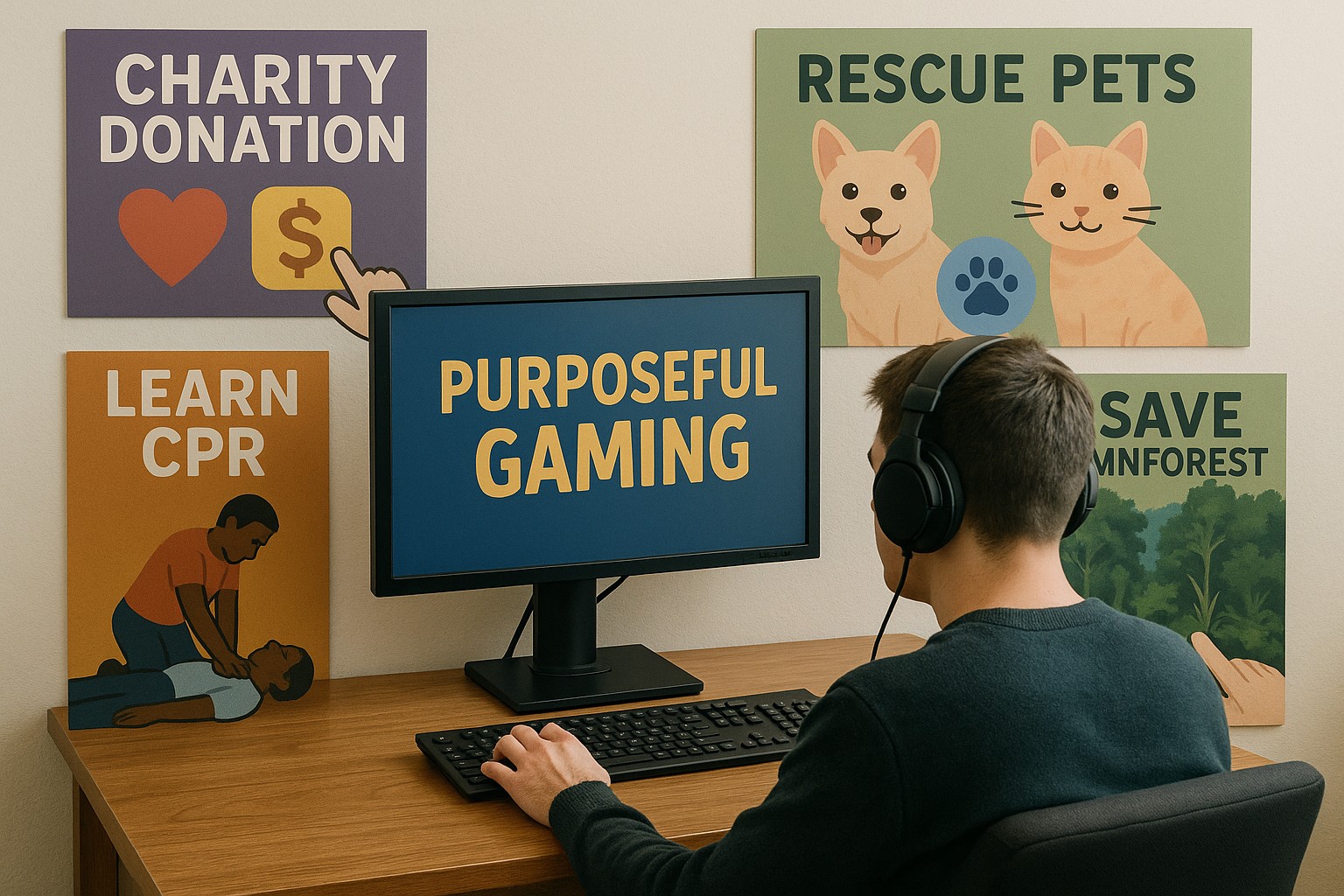
Video games have become a central part of modern life, offering entertainment, social interaction, and mental stimulation. For most players, gaming is a fun and positive hobby. However, the rise of immersive games and online platforms has also led to a video gaming craze, where play can become overwhelming or interfere with daily responsibilities, relationships, and mental health. Navigating gaming with purpose is essential to enjoy play without it taking over your life.

Understanding Purposeful Gaming

Purposeful gaming involves approaching play with intention and awareness. It means recognizing why you play, how it affects your emotions, and balancing it with other areas of life. By gaming with purpose, players can experience the benefits of entertainment and social connection while minimizing negative consequences.

The Risks of Uncontrolled Gaming

While gaming can be a healthy outlet, excessive play can lead to:

  • Neglected responsibilities at work, school, or home

  • Social isolation and strained relationships

  • Increased stress, anxiety, or irritability

  • Sleep deprivation and physical fatigue

  • Difficulty managing emotions without turning to games

Recognizing these risks early allows players to implement strategies that support healthy gaming habits.

Strategies for Healthy Gaming

Set Clear Boundaries and Schedules

One of the most effective ways to maintain control is to set limits on gaming time. Decide how many hours are appropriate each day or week, and schedule gameplay around responsibilities, self-care, and social activities. Using timers or reminders can help reinforce these boundaries.

Practice Mindful Gaming

Mindful gaming encourages self-awareness while playing. Check in with yourself about your motivations, emotional state, and how gaming affects your mood. If you notice frustration, stress, or excessive attachment to the game, take a break or engage in a different activity.

Prioritize Mental Health and Self-Care

Gaming should complement a healthy lifestyle, not replace it. Regular exercise, therapy, and social connection are essential for emotional well-being. Many recovery programs integrate holistic or faith-based approaches to support both mental and spiritual health, helping players develop coping strategies beyond gaming.

Seek Professional Support When Necessary

For individuals who find gaming interfering with daily life or mental health, professional help is available. Inpatient and outpatient addiction recovery programs provide structured care, individualized guidance, and evidence-based strategies to regain balance. These programs address both compulsive gaming behaviors and underlying mental health concerns.

Engage Family and Community

Support from family, friends, and peers is critical for maintaining healthy gaming habits. Open conversations about gaming, shared recreational activities outside of gaming, and community support groups can reinforce accountability and provide encouragement during the recovery process.

Conclusion: Enjoy Gaming Responsibly and with Purpose

The video gaming craze can be an enjoyable and enriching part of life when approached intentionally. By setting boundaries, practicing mindfulness, prioritizing mental health, and seeking support when necessary, players can navigate gaming in a way that is both fun and balanced.

If you or a loved one struggles with managing gaming habits, reaching out for professional guidance is a powerful first step. With compassionate care, holistic strategies, and individualized support, it is possible to game with purpose, maintain healthy relationships, and foster overall well-being.

0

When Fun Turns to Fixation: How the Video Gaming Craze Can Impact Your Mental Health

Posted on by

Video games offer excitement, creativity, and a sense of community for millions of players worldwide. For most, gaming is a fun, healthy way to unwind and connect with others. However, when play starts to interfere with daily responsibilities, relationships, or emotional well-being, it can shift from enjoyment to fixation. Understanding how the video gaming craze can impact mental health is essential for anyone seeking balance and a healthier relationship with gaming.

Recognizing the Signs of Gaming Fixation

The popularity of immersive games, online multiplayer worlds, and mobile platforms has fueled a widespread video gaming craze. While most people engage in gaming without issue, some experience patterns of compulsive play that affect their mental and emotional health.

Warning Signs That Gaming May Be Affecting Mental Health

  • Feeling anxious, irritable, or restless when unable to play

  • Using gaming as the primary way to cope with stress, sadness, or loneliness

  • Neglecting personal responsibilities, work, or school in favor of gaming

  • Experiencing disrupted sleep, poor nutrition, or physical fatigue due to extended play

  • Losing interest in hobbies, social activities, or relationships outside of gaming

Recognizing these behaviors early is the first step toward addressing them effectively.

How Excessive Gaming Can Affect Mental Health

Compulsive gaming can have far-reaching consequences for mental health. It may contribute to heightened anxiety, depression, social withdrawal, and feelings of isolation. Additionally, relying on games as a coping mechanism can prevent individuals from addressing underlying emotional or psychological challenges, creating a cycle that is difficult to break without support.

The Connection Between Gaming and Stress

For many players, gaming provides a temporary escape from stressors. While this can be beneficial in moderation, excessive reliance on gaming can exacerbate stress and create additional mental health challenges. Recognizing the difference between healthy stress relief and compulsive avoidance is critical.

Strategies to Regain Control and Maintain Balance

Establish Clear Boundaries

Setting intentional limits around gaming time helps prevent excessive play. Creating schedules that include breaks, exercise, and social interaction can reduce the risk of fixation and encourage a more balanced lifestyle.

Prioritize Mental Health

Mental health care is essential for maintaining healthy gaming habits. Therapy, counseling, or support groups can address underlying anxiety, depression, or stress while providing tools to manage gaming habits responsibly. Holistic or faith-based approaches offer additional support for emotional and spiritual well-being.

Seek Professional Addiction Recovery Support

When gaming begins to dominate life and impact relationships or responsibilities, professional support can be invaluable. Inpatient and outpatient addiction recovery programs provide structured care, evidence-based treatment, and personalized strategies for achieving balance. These programs address both behavioral patterns and the mental health aspects of compulsive gaming.

Engage Family and Community Support

Support from family, friends, and peer networks reinforces positive change. Open communication about gaming habits, participation in shared activities outside of gaming, and connection with support groups create accountability and encourage healthier routines.

Take Steps Toward Healthier Gaming

The video gaming craze offers entertainment, social connection, and personal satisfaction. When fun turns to fixation, however, it can negatively impact mental health, relationships, and daily life. By setting boundaries, prioritizing mental health, and seeking professional guidance when needed, individuals can restore balance and enjoy gaming responsibly.

If you or a loved one is struggling with compulsive gaming, reaching out for help is a courageous first step. With individualized care, holistic strategies, and compassionate support, it is possible to regain control, strengthen well-being, and build a healthy relationship with gaming.

0

Mindful Gaming in a Video Gaming Craze: Tips for Staying Connected and Healthy

Posted on by

Video games have become a central part of modern entertainment, offering players an exciting escape, social connection, and creative challenge. For many, gaming is a fun and harmless hobby. However, the rise of the video gaming craze has also highlighted the need for balance. When gaming begins to interfere with relationships, work, school, or mental health, it can be difficult to maintain control. Practicing mindful gaming is an effective way to enjoy play responsibly while staying connected and healthy.

What Is Mindful Gaming?

Mindful gaming means approaching play with intention, awareness, and self-reflection. It involves being present in the moment, understanding why you are gaming, and recognizing how it affects your emotions, behavior, and daily life. Mindfulness can transform gaming from a compulsive habit into a balanced, rewarding activity.

Why Mindful Gaming Matters

Excessive gaming can sometimes lead to stress, social isolation, or avoidance of responsibilities. Mindful gaming helps players maintain control, prioritize well-being, and prevent negative consequences. For those already struggling with mental health challenges or addictive behaviors, mindfulness is a valuable tool for reducing risk and fostering healthier habits.

Signs You May Need to Practice Mindful Gaming

Understanding when gaming is affecting your life is the first step toward positive change. Signs that mindful gaming practices may be needed include:

  • Difficulty stopping or limiting playtime

  • Using gaming as the main way to cope with stress or negative emotions

  • Neglecting relationships, work, or school responsibilities

  • Feeling irritable or anxious when unable to play

  • Experiencing sleep problems or physical health issues due to extended gaming sessions

If these patterns sound familiar, integrating mindful strategies can help restore balance and control.

Tips for Practicing Mindful Gaming

Set Clear Boundaries

Establish limits for when and how long you will play. Use timers or schedules to prevent extended sessions that interfere with daily life. Pair gaming with other fulfilling activities such as exercise, reading, or social interaction.

Check In With Your Emotions

Before and during gameplay, ask yourself why you are playing. Are you seeking enjoyment, connection, or distraction? Noticing your emotional state can help prevent gaming from becoming a coping mechanism for stress, anxiety, or depression.

Take Regular Breaks

Breaks are essential for physical and mental health. Step away from the screen, stretch, hydrate, or spend time outdoors. Pausing allows you to reflect on your play, reduce fatigue, and return with a clearer mindset.

Prioritize Relationships and Responsibilities

Maintain connections with family, friends, and coworkers. Ensure that gaming does not replace meaningful social interactions or responsibilities. Mindful gaming involves integrating play into a balanced lifestyle rather than allowing it to dominate daily routines.

Seek Support When Needed

If gaming begins to interfere with mental health, school, work, or relationships, professional support can be invaluable. Addiction recovery services, outpatient or inpatient programs, and holistic or faith-based approaches provide guidance, accountability, and strategies for healthier gaming habits.

Enjoy Gaming Responsibly and Stay Balanced

The video gaming craze offers excitement, community, and entertainment. When approached mindfully, gaming can be a positive part of life rather than a source of stress or isolation. By setting boundaries, checking in with your emotions, prioritizing relationships, and seeking professional support when necessary, it is possible to enjoy games while maintaining mental, emotional, and social well-being.

If you or a loved one is struggling to keep gaming in balance, reaching out for guidance is a powerful first step toward healthier habits, stronger connections, and a more fulfilling life. Mindful gaming is not about giving up play—it is about taking control and making play work for you.