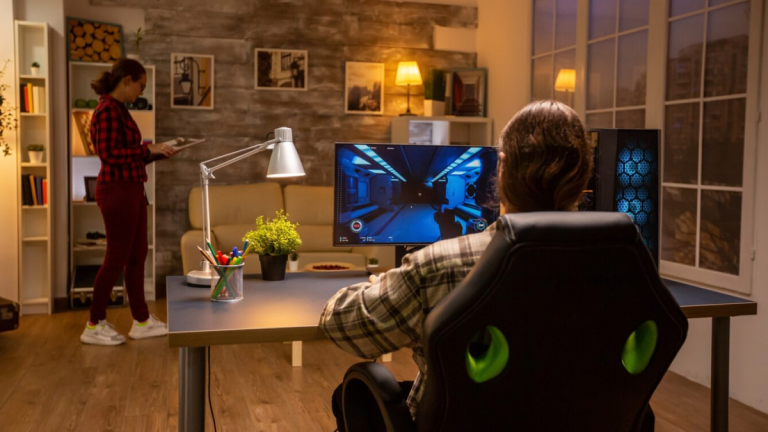
 Video games have become a central part of modern entertainment, offering players an exciting escape, social connection, and creative challenge. For many, gaming is a fun and harmless hobby. However, the rise of the video gaming craze has also highlighted the need for balance. When gaming begins to interfere with relationships, work, school, or mental health, it can be difficult to maintain control. Practicing mindful gaming is an effective way to enjoy play responsibly while staying connected and healthy.
What Is Mindful Gaming?
Mindful gaming means approaching play with intention, awareness, and self-reflection. It involves being present in the moment, understanding why you are gaming, and recognizing how it affects your emotions, behavior, and daily life. Mindfulness can transform gaming from a compulsive habit into a balanced, rewarding activity.
Why Mindful Gaming Matters
Excessive gaming can sometimes lead to stress, social isolation, or avoidance of responsibilities. Mindful gaming helps players maintain control, prioritize well-being, and prevent negative consequences. For those already struggling with mental health challenges or addictive behaviors, mindfulness is a valuable tool for reducing risk and fostering healthier habits.
Signs You May Need to Practice Mindful Gaming
Understanding when gaming is affecting your life is the first step toward positive change. Signs that mindful gaming practices may be needed include:
-
Difficulty stopping or limiting playtime
-
Using gaming as the main way to cope with stress or negative emotions
-
Neglecting relationships, work, or school responsibilities
-
Feeling irritable or anxious when unable to play
-
Experiencing sleep problems or physical health issues due to extended gaming sessions
If these patterns sound familiar, integrating mindful strategies can help restore balance and control.
Tips for Practicing Mindful Gaming
Set Clear Boundaries
Establish limits for when and how long you will play. Use timers or schedules to prevent extended sessions that interfere with daily life. Pair gaming with other fulfilling activities such as exercise, reading, or social interaction.
Check In With Your Emotions
Before and during gameplay, ask yourself why you are playing. Are you seeking enjoyment, connection, or distraction? Noticing your emotional state can help prevent gaming from becoming a coping mechanism for stress, anxiety, or depression.
Take Regular Breaks
Breaks are essential for physical and mental health. Step away from the screen, stretch, hydrate, or spend time outdoors. Pausing allows you to reflect on your play, reduce fatigue, and return with a clearer mindset.
Prioritize Relationships and Responsibilities
Maintain connections with family, friends, and coworkers. Ensure that gaming does not replace meaningful social interactions or responsibilities. Mindful gaming involves integrating play into a balanced lifestyle rather than allowing it to dominate daily routines.
Seek Support When Needed
If gaming begins to interfere with mental health, school, work, or relationships, professional support can be invaluable. Addiction recovery services, outpatient or inpatient programs, and holistic or faith-based approaches provide guidance, accountability, and strategies for healthier gaming habits.
Enjoy Gaming Responsibly and Stay Balanced
The video gaming craze offers excitement, community, and entertainment. When approached mindfully, gaming can be a positive part of life rather than a source of stress or isolation. By setting boundaries, checking in with your emotions, prioritizing relationships, and seeking professional support when necessary, it is possible to enjoy games while maintaining mental, emotional, and social well-being.
If you or a loved one is struggling to keep gaming in balance, reaching out for guidance is a powerful first step toward healthier habits, stronger connections, and a more fulfilling life. Mindful gaming is not about giving up play—it is about taking control and making play work for you.