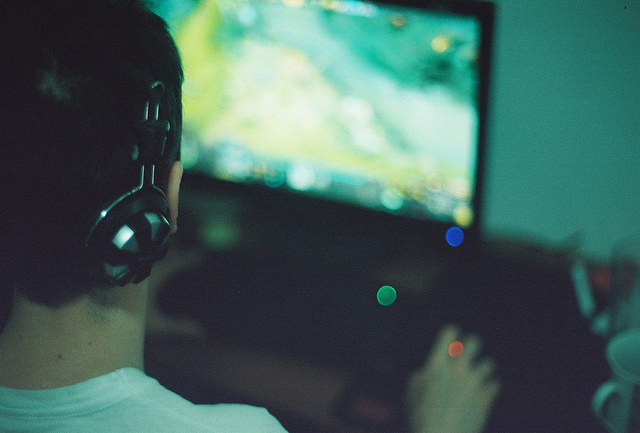
Video games are more than just a pastime for millions of people. They provide entertainment, social connection, and mental stimulation in ways few other activities can. However, for some players, the line between fun and fixation can blur. When gaming begins to interfere with daily life, relationships, or mental well-being, it can signal a deeper issue. Understanding the connection between gaming habits and mental health is essential for maintaining balance and enjoying games responsibly.
The Rise of the Video Gaming Craze
The global popularity of video games has surged over the past decade. Online multiplayer worlds, mobile apps, and immersive story-driven games keep players engaged for hours on end. While most players enjoy gaming without issue, some experience compulsive patterns that affect work, school, and personal relationships. This phenomenon, often referred to as the video gaming craze, highlights the importance of recognizing when play becomes problematic.
How Gaming Can Impact Mental Health
Excessive gaming can affect mental health in multiple ways. It may increase feelings of anxiety, irritability, or depression when playtime is restricted. Gaming can also become a way to escape real-life stressors, which can prevent individuals from addressing underlying issues. Over time, this pattern can lead to social withdrawal, decreased productivity, and difficulty managing emotions.
Signs That Gaming May Be Affecting Your Well-Being
- Losing interest in activities or hobbies outside of gaming
- Prioritizing gameplay over work, school, or relationships
- Feeling anxious, restless, or irritable when unable to play
- Using gaming to cope with stress, sadness, or loneliness
- Experiencing sleep problems or neglecting physical health due to prolonged sessions
If these signs sound familiar, it may be time to consider strategies for establishing healthier gaming habits.
Strategies for Maintaining Balance
Set Intentional Limits
Establishing clear boundaries around gaming time is a key step in regaining control. Decide how many hours per day or week are appropriate and use timers or schedules to maintain consistency. Pair gaming with other fulfilling activities, such as exercise, reading, or social interactions, to reduce reliance on play as the primary source of enjoyment.
Prioritize Mental Health and Self-Care
Gaming should complement, not replace, mental health care. Regular self-care, counseling, and therapy can help address anxiety, stress, or depression that may be driving excessive play. Programs that combine mental health treatment with holistic or faith-based approaches provide a comprehensive path to recovery and well-being.
Seek Professional Support When Needed
For individuals struggling to maintain control, professional addiction recovery services offer structured support. Inpatient and outpatient programs provide individualized care, evidence-based strategies, and accountability to help rebuild a balanced lifestyle. These programs address both the psychological and behavioral aspects of gaming addiction while fostering personal growth.
Involve Family and Community
Family and peer support can significantly strengthen recovery efforts. Open communication about gaming habits, shared recreational activities, and supportive networks provide encouragement and help maintain healthy boundaries. Support groups, either online or in person, also create safe spaces for sharing experiences and gaining perspective.
Moving From Fixation Back to Fun
Recognizing when gaming shifts from enjoyment to fixation is the first step in taking control. By setting limits, prioritizing mental health, and seeking professional guidance when necessary, players can restore balance while still enjoying the games they love. Gaming should enhance life, not dominate it.
Key Takeaways
- Understand the impact of gaming on mental health
- Recognize warning signs of compulsive play
- Implement structured limits and self-care practices
- Seek professional support for individualized guidance
- Leverage family and community support to reinforce positive habits
Regain Control and Enjoy Gaming Responsibly
The video gaming craze can be both exciting and challenging. When play begins to interfere with your life, reaching out for help is a courageous and essential step. With individualized treatment, holistic approaches, and practical strategies, it is possible to enjoy gaming responsibly while maintaining mental health and overall life balance. If you or a loved one struggles with excessive gaming, professional support is available to guide you toward recovery and a healthier relationship with play.