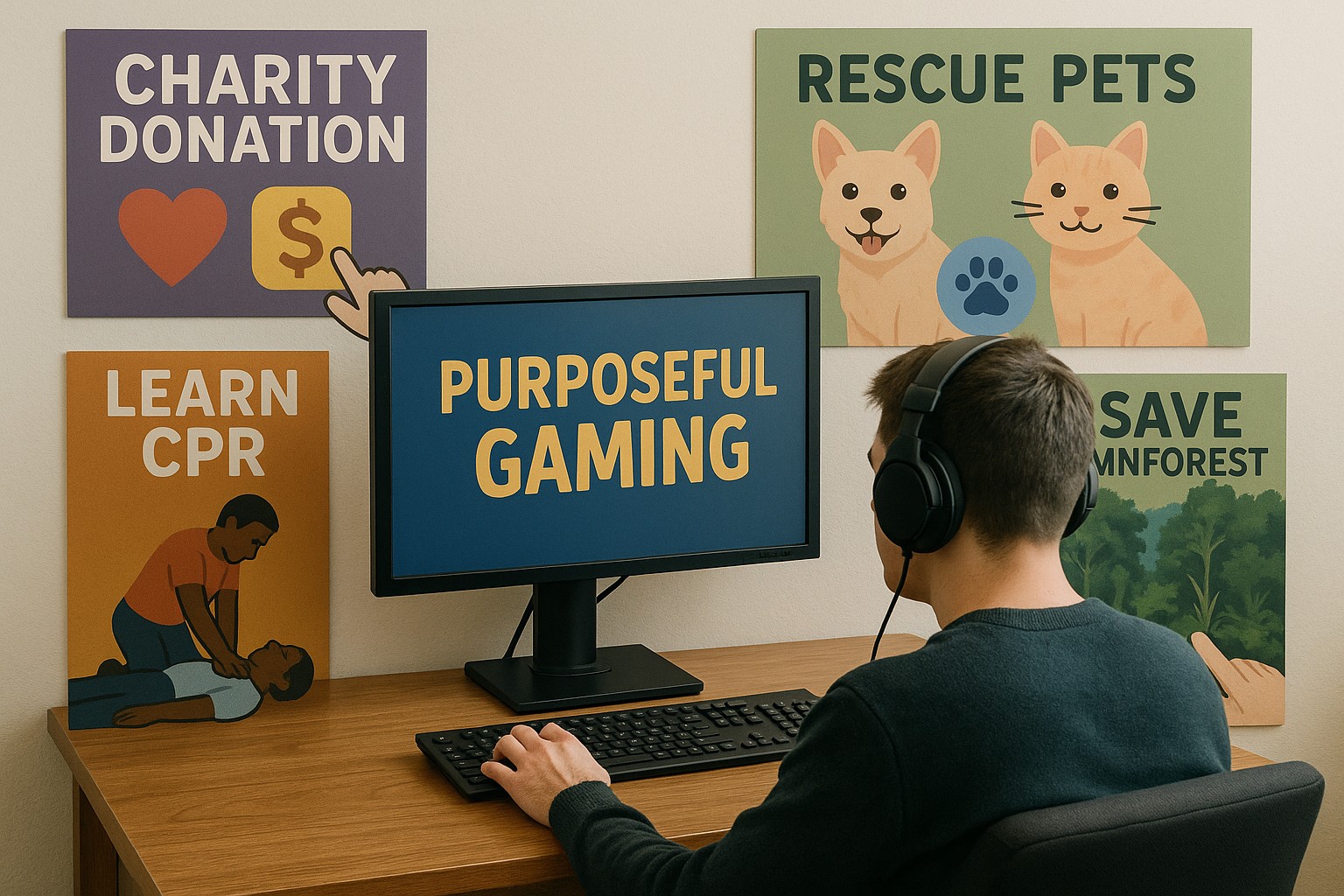
 Video games have become a central part of modern life, offering entertainment, social interaction, and mental stimulation. For most players, gaming is a fun and positive hobby. However, the rise of immersive games and online platforms has also led to a video gaming craze, where play can become overwhelming or interfere with daily responsibilities, relationships, and mental health. Navigating gaming with purpose is essential to enjoy play without it taking over your life.
Understanding Purposeful Gaming
Purposeful gaming involves approaching play with intention and awareness. It means recognizing why you play, how it affects your emotions, and balancing it with other areas of life. By gaming with purpose, players can experience the benefits of entertainment and social connection while minimizing negative consequences.
The Risks of Uncontrolled Gaming
While gaming can be a healthy outlet, excessive play can lead to:
-
Neglected responsibilities at work, school, or home
-
Social isolation and strained relationships
-
Increased stress, anxiety, or irritability
-
Sleep deprivation and physical fatigue
-
Difficulty managing emotions without turning to games
Recognizing these risks early allows players to implement strategies that support healthy gaming habits.
Strategies for Healthy Gaming
Set Clear Boundaries and Schedules
One of the most effective ways to maintain control is to set limits on gaming time. Decide how many hours are appropriate each day or week, and schedule gameplay around responsibilities, self-care, and social activities. Using timers or reminders can help reinforce these boundaries.
Practice Mindful Gaming
Mindful gaming encourages self-awareness while playing. Check in with yourself about your motivations, emotional state, and how gaming affects your mood. If you notice frustration, stress, or excessive attachment to the game, take a break or engage in a different activity.
Prioritize Mental Health and Self-Care
Gaming should complement a healthy lifestyle, not replace it. Regular exercise, therapy, and social connection are essential for emotional well-being. Many recovery programs integrate holistic or faith-based approaches to support both mental and spiritual health, helping players develop coping strategies beyond gaming.
Seek Professional Support When Necessary
For individuals who find gaming interfering with daily life or mental health, professional help is available. Inpatient and outpatient addiction recovery programs provide structured care, individualized guidance, and evidence-based strategies to regain balance. These programs address both compulsive gaming behaviors and underlying mental health concerns.
Engage Family and Community
Support from family, friends, and peers is critical for maintaining healthy gaming habits. Open conversations about gaming, shared recreational activities outside of gaming, and community support groups can reinforce accountability and provide encouragement during the recovery process.
Conclusion: Enjoy Gaming Responsibly and with Purpose
The video gaming craze can be an enjoyable and enriching part of life when approached intentionally. By setting boundaries, practicing mindfulness, prioritizing mental health, and seeking support when necessary, players can navigate gaming in a way that is both fun and balanced.
If you or a loved one struggles with managing gaming habits, reaching out for professional guidance is a powerful first step. With compassionate care, holistic strategies, and individualized support, it is possible to game with purpose, maintain healthy relationships, and foster overall well-being.