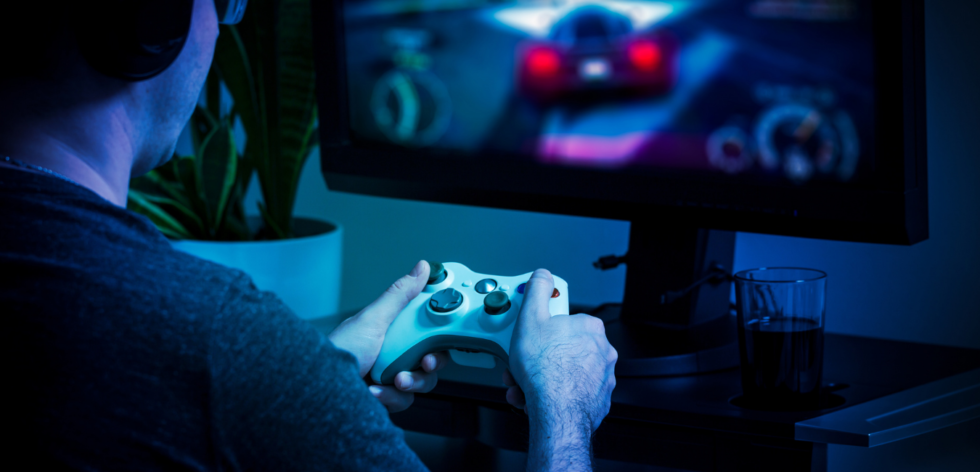
Video games are more popular than ever, particularly among young adults. They provide entertainment, social connection, and opportunities to develop problem-solving skills. However, the line between healthy gaming and excessive play can be difficult to detect. For parents and loved ones, understanding the signs of gaming overuse and its potential impact on mental health is essential. At 33games.net, we offer compassionate, individualized care for individuals struggling with gaming dependency, combining professional guidance with holistic and faith-based approaches.
Understanding the Appeal of Gaming in Young Adults
Why Young Adults Are Drawn to Gaming
Modern video games are designed to be immersive, rewarding, and socially engaging. Features such as achievements, leaderboards, cooperative play, and evolving storylines provide motivation and a sense of accomplishment. For young adults, these games can offer a sense of control, community, and identity.
Emotional and Cognitive Benefits
When managed responsibly, gaming can promote cognitive skills, stress relief, and social interaction. Cooperative and strategy-based games encourage teamwork, critical thinking, and problem-solving abilities. However, when play becomes excessive, these benefits can be overshadowed by negative consequences.
Signs That Gaming May Be Becoming a Problem
Behavioral Indicators
Parents and loved ones should be aware of warning signs that gaming may be taking a toll. These include:
-
Neglecting school, work, or personal responsibilities
-
Withdrawal from friends and family
-
Irritability or anxiety when unable to play
-
Loss of interest in hobbies previously enjoyed
Mental Health Considerations
Excessive gaming can contribute to sleep disruption, increased stress, anxiety, and depressive symptoms. For some young adults, gaming becomes a coping mechanism for underlying emotional or mental health challenges. Recognizing these patterns early allows families to intervene constructively before issues escalate.
Supporting Healthy Gaming Habits
Open Communication
Encouraging open, non-judgmental dialogue about gaming habits helps young adults feel understood rather than criticized. Discussing limits, motivations, and emotional triggers can promote self-awareness and accountability.
Establishing Boundaries
Setting reasonable gaming boundaries—such as limiting screen time, enforcing breaks, and prioritizing responsibilities—helps young adults maintain balance. Consistent boundaries provide structure without eliminating gaming entirely.
Encouraging Alternative Activities
Introducing hobbies outside of gaming, including physical exercise, creative projects, volunteering, or social activities, helps young adults develop a more balanced lifestyle. Engaging in offline communities fosters emotional resilience and reduces reliance on virtual environments.
Professional Support Options
Inpatient and Outpatient Care
For young adults struggling to control gaming habits, professional support can be transformative. 33games.net offers inpatient and outpatient programs tailored to individual needs. These programs provide structured support, therapy, and life skills training to help clients regain control over gaming and overall wellness.
Holistic and Faith-Based Approaches
Recovery is most effective when it addresses the whole person. Our holistic and faith-based programs incorporate therapy, spiritual guidance, and wellness practices to strengthen resilience, emotional health, and purpose beyond gaming.
Helping Young Adults Find Balance
The video gaming craze offers enjoyment, social connection, and cognitive stimulation. Yet, when play begins to interfere with responsibilities, relationships, or mental health, support becomes essential. Parents and loved ones can make a meaningful difference by recognizing warning signs, fostering open communication, and encouraging balanced lifestyles.
At 33games.net, we provide compassionate care that empowers young adults to regain control, develop healthy gaming habits, and achieve lasting recovery. If your loved one is struggling with excessive gaming, reaching out for professional guidance is the first step toward a healthier, more balanced life.