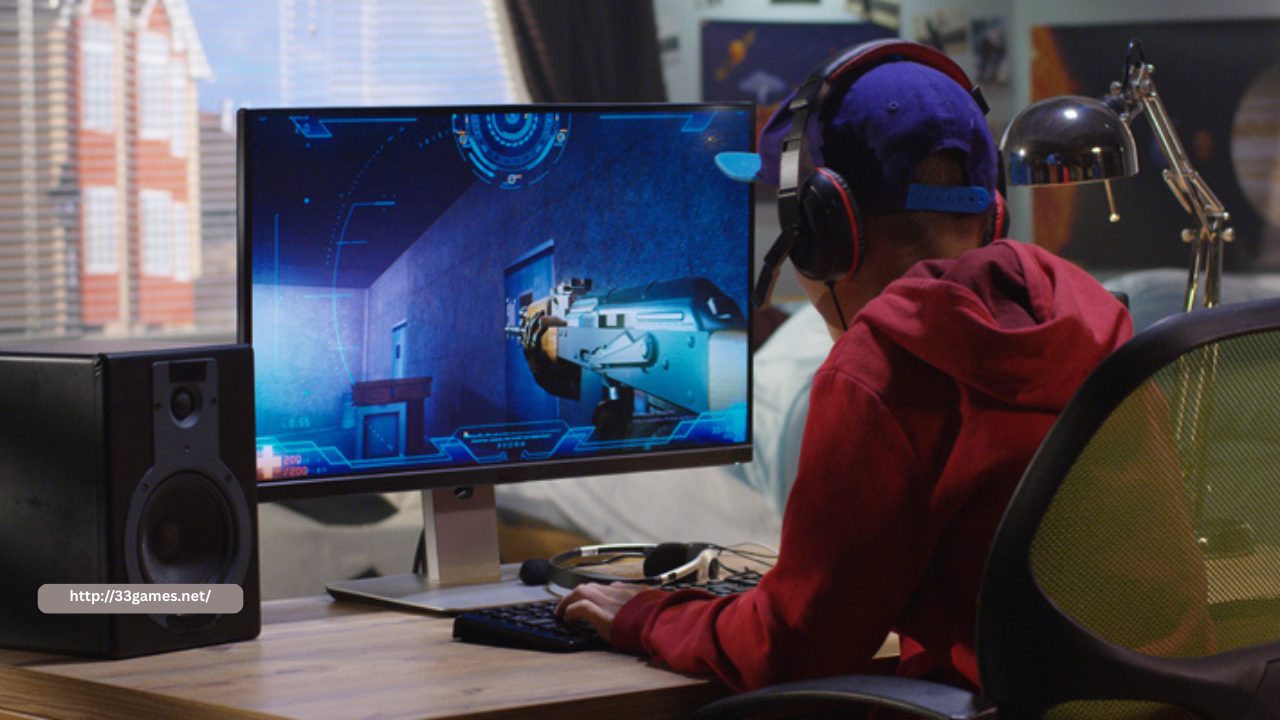
Video games are a fun and engaging way to relax, connect with others, and challenge yourself. However, when gaming begins to take up too much of your time, it can interfere with daily responsibilities, relationships, and your overall well-being. If you suspect you have video game fever but don’t want to give up gaming entirely, the good news is you don’t have to quit cold turkey. Instead, you can adopt healthy habits that allow you to enjoy gaming in moderation.
1. Understand Your Gaming Habits
Start by assessing how much and why you play. Are you gaming out of boredom, stress, or loneliness? Understanding your motivations can help you find alternative ways to meet those needs. Keep a gaming journal for a week, noting when, how long, and why you play. This can help you identify patterns and triggers.
2. Set Time Limits
One of the easiest and most effective strategies is to set boundaries around your gaming time. Decide how much time you can realistically spend playing games each day or week while still meeting your responsibilities. Use timers, alarms, or even parental control apps to help you stick to your limits.
3. Create a Gaming Schedule
Treat gaming like any other scheduled activity. Designate specific times of day when you allow yourself to play, and avoid spontaneous or late-night gaming sessions. Having a structure can reduce the temptation to play excessively and help you maintain control.
4. Replace Gaming with Other Activities
Find alternative hobbies and interests that can provide the same satisfaction you get from gaming. This might include physical exercise, reading, art, learning a new skill, or spending time with friends and family. When your time is filled with a variety of meaningful activities, the urge to game constantly can decrease.
5. Set Goals Outside of Gaming
If most of your achievements are coming from video games, you might be missing out on the rewarding feeling of real-life progress. Set small, attainable goals in your personal, academic, or professional life and celebrate your progress. This can give you a sense of purpose beyond the screen.
6. Make Gaming Social, Not Isolating
Instead of gaming alone for hours, try playing games that encourage social interaction, such as local multiplayer or cooperative online games. Better yet, combine gaming with real-life interaction by playing with friends or family members in the same room.
7. Take Breaks and Practice Mindfulness
Incorporate short breaks into your gaming sessions to stretch, hydrate, and clear your mind. Practicing mindfulness and being aware of how gaming affects your mood and energy levels can help you make better choices about when and how long to play.
Conclusion
You don’t have to give up video games completely to beat video game fever. By becoming more mindful of your habits and setting healthy boundaries, you can continue enjoying games without letting them control your life. Balance is key—with the right strategies, you can keep gaming fun, fulfilling, and under control.